
A product team’s first kickoff in a category the brand has never sold starts with less than any other. There’s no sell-through to read, no returns to learn from and no last season to improve on. The team still has to set sizing, materials and price. That’s where Lee’s new lines start. Authentic Brands Group completed its acquisition of Lee on Nov. 3 and said new partners will help the denim brand grow into neighboring categories, activewear and workwear among them.
The partners are new to Lee, and the categories sit next to its core, not inside it. Every brand that crosses into a category it hasn’t sold before is in the same spot.
So the kickoff runs on something borrowed. Usually that’s the core category’s assumptions or a competitor’s line, and neither is enough on its own. What a brand knows about sizing, materials and price in its core doesn’t carry over automatically, because customers can expect something different from the same brand in a new category. A competitor’s line is a better clue. It shows where the market already sits on features and price, and where the gaps are. It doesn’t show why they built it or what came back.
The brands doing this know it’s hard. Rocky Brands says in its annual report for 2025 that its growth strategy is built largely on expanding its brands into new footwear and apparel markets. The same report carries a risk factor saying that expansion could be hard and costly. The plan and the exposure sit in one document. Neither tells a team what the new category’s customer wants.
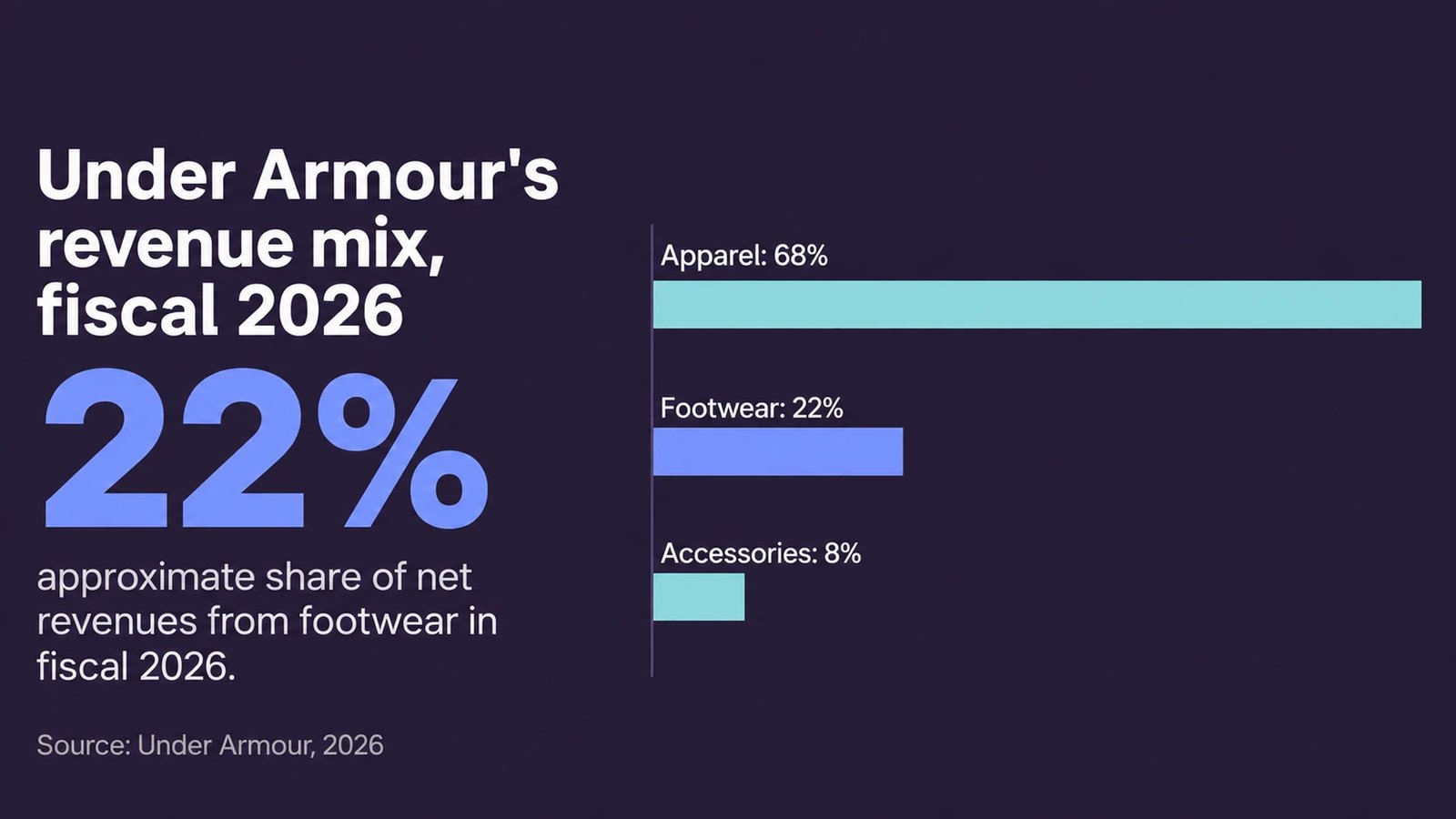
Scale doesn’t close the gap. In its annual report for the fiscal year ended Mar. 31, 2026, Under Armour reports apparel at about 68 percent of net revenues, footwear at about 22 percent and accessories at about 8 percent. Footwear net revenues fell 10.8 percent that year, which the company ties mostly to fewer units sold and lower average prices. That’s not a verdict on Under Armour. It’s a reminder that every category answers to its own unit sales and its own price pressure. What a brand learns in one doesn’t settle the next.
None of this makes the decision simple. A new team has no history to lean on, and evidence from outside is always a step removed. But the kickoff is where borrowed assumptions turn into decisions. Sizing, materials and price get set there, development builds on them, and the brand’s own sales data arrives only after the line ships. A wrong assumption set at kickoff gets built into every sample after it.
Before the first sale, the evidence sits outside the company. Other brands’ reviews show what customers in the new category praise and what they complain about, and their returns data helps where it’s available. Search demand shows what people look for. Concept tests show how consumers react to an idea before anything is built. None of it is clean. Other brands’ customers aren’t yours yet. Search shows interest, not purchase. A concept test captures a reaction to a description, not months of wear. But all of it is evidence about the new category, and the core category’s assumptions aren’t.
Research on brand extensions points the same way. A 2023 meta-analysis in the Journal of Marketing, by Peng, Bijmolt, Völckner and Zhao, drew on a database covering 26 countries. It covers categories broadly, not footwear and apparel specifically. It found that how closely an extension matches the parent brand in product features and image weighs slightly more than the parent brand’s equity. The probability of a positive response is 61.4 percent if extension fit improves, against 60.6 percent for parent brand equity. The gap is small. What matters is what each one is. A brand’s equity is what it is on kickoff day. Fit is a choice a team makes at kickoff, in what the new line carries over from the brand’s features and image. Whether consumers see that connection is something a team can check, with outside evidence, before development starts.
That’s the case for treating a new category’s kickoff differently. Before it’s locked in, write down which assumptions came from the core category and which came from evidence. Then go get the evidence: what customers say about other brands in the new category, what they search for and what the market offers at the price you want to hit. In a category you’ve never sold, other brands’ customers are the closest thing you have to your own. The hard part isn’t knowing this. It’s getting that evidence in front of the team while sizing, materials and price are still open, instead of after the first samples.
If your team has entered a category it hadn’t sold before, what did the first kickoff run on?
With research from Journal of Marketing and American Marketing Association.