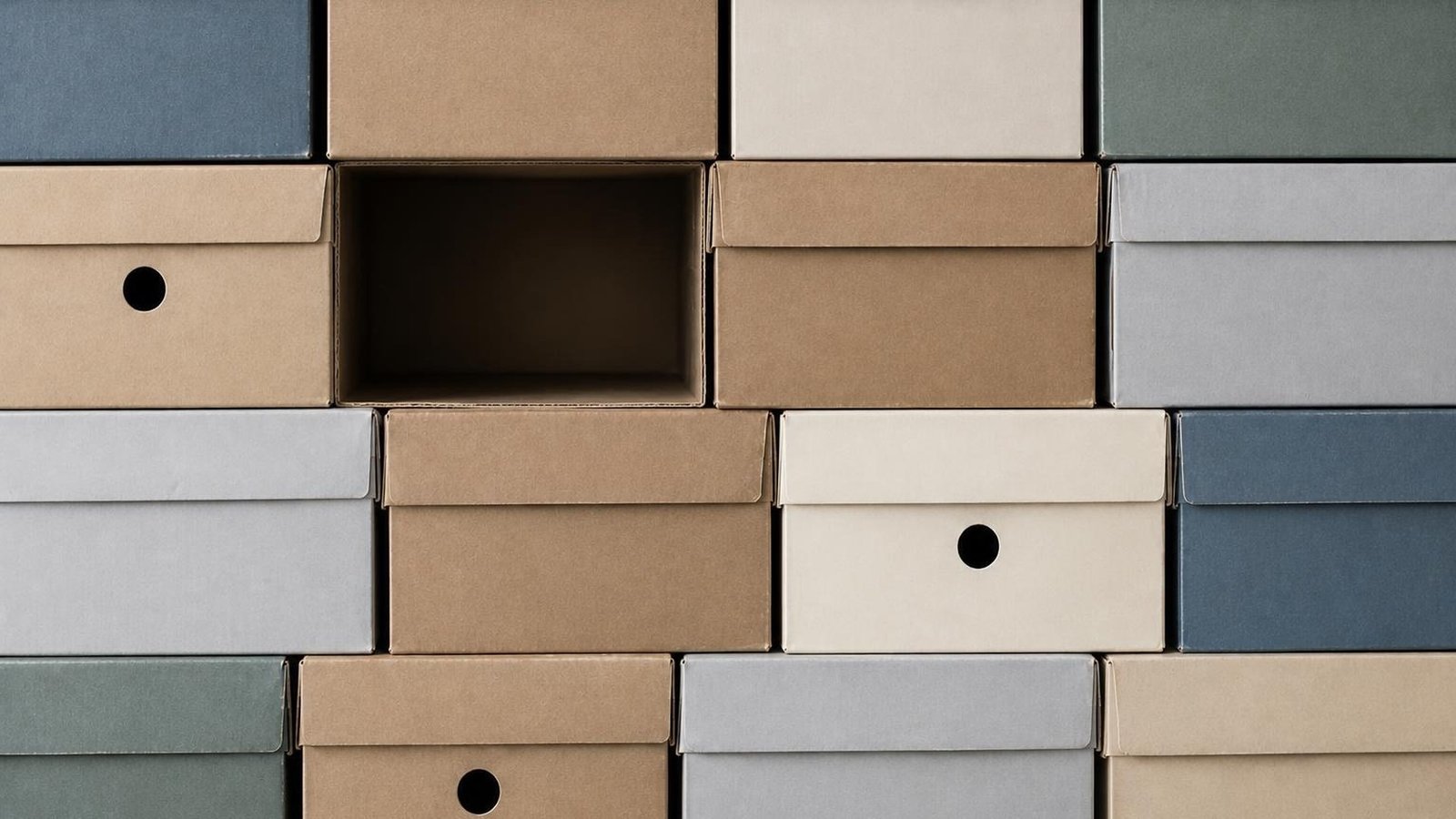
The most expensive decision in product development still gets made in a meeting.
The most expensive decision in product development is what to build. Everything that follows depends on it: samples, tooling, materials ordered against long lead times, the launch plan, the inventory.
And that decision still gets made in a meeting. From a brief written in a document. By whoever makes the strongest case that day.
Product teams have good systems for execution. They don't have one for the decision that sets execution in motion.
Look at the software around a typical product team. Analytics tells you what happened: last season's sell-through, the return rate on a style, the review score on a competitor's shoe. Execution tools run the plan once it's set: the spec, the samples, the bill of materials, the path to production. Both matter. Neither was built for the call in between, when the team decides what the next product should be.
Picture the kickoff for next season's trail-running shoe. The brief is due Wednesday. Eight people are in the room, from design and development to merchandising and sourcing, and each one has a different read on the customer. The loudest voice usually wins.
Why? Because the evidence isn't in the room.
It exists. It just lives in three places that rarely meet.
Consumer reviews tell you what people love and what keeps letting them down on fit, feel and durability. Those are the things shoppers weigh first. In a 2024 back-to-school survey of 1,002 U.S. consumers by AlixPartners and the Footwear Distributors and Retailers of America (FDRA), quality and comfort beat price. Quality was a priority for 91 percent and comfort for 90 percent, against 75 percent for price.
Sales and returns data tell you what sold, what came back and why. That's where a wrong call shows up first. In FDRA's spring 2024 survey with AlixPartners, 60 percent of U.S. shoe shoppers cited an out-of-stock size as a reason to walk away from a purchase. Returns tell the same story: U.S. retailers estimated that 15.8 percent of their 2025 sales would come back, according to the National Retail Federation.
Sourcing and manufacturing tell you what a material costs, how long it takes to arrive and what a factory can actually make. Those timelines run long. In a 2025 Cornell University case study of an Indian shoe factory, one buyer's designers started working with the factory six months before the order. Production lead time was generally 100 days.
Nobody has all three in front of them when the direction gets locked.
So the brief gets built on assumptions. If it opens with "I think the customer wants," the team is guessing. It gets written once, shared around and treated as final. It can't update itself when customer sentiment shifts, when a return spike flags a fit problem or when a lead time moves. By line review, the team is defending a document instead of testing a decision.
Most teams try to fix this with discipline: tighter kickoffs, better prep, a stronger review culture. It helps. It doesn't hold. The evidence still sits in three disconnected systems that nobody in the meeting can pull up in real time. This isn't one company's problem. It shows up across footwear and apparel, at brands of every size.
That's exactly where AI is starting to earn its place in product development. Not by writing the brief or making the call. The team owns that. The value is in pulling all three sources into one current picture, so everyone at the kickoff argues from the same evidence. The fit complaint reaches the designer before the sketch, not after the sample.
None of this replaces the systems that run execution. Product lifecycle management (PLM) does that job well. The gap sits upstream, before the brief is written.
You don't need new software to start closing it. At your next kickoff, before anyone argues direction, put three pieces of evidence on one page: one from consumer reviews, one from sales and returns, one from sourcing. Where they agree, lock that part of the brief. Where they conflict, make the conflict the agenda, because it costs far less to settle at kickoff than after samples are made. Then mark every line in the brief that still rests on an assumption. Name who will bring evidence for it before the next stage gate.
The decision about what to build is the most expensive call a product team makes. It deserves better than a document and the loudest voice in the room.
If your team does it differently, tell me how.
With research from AlixPartners, Footwear Distributors & Retailers of America (FDRA), National Retail Federation and Cornell ILR School.